About Dehradun
Dehradun, the capital city of Uttarakhand, is nestled in the foothills of the majestic Himalayas, between the Ganga and Yamuna rivers. Known for its scenic beauty, pleasant climate, and rich cultural heritage, it serves as a gateway to popular hill stations like Mussoorie, Rishikesh, and Haridwar.
As one of India’s oldest cities, Dehradun combines natural splendor with urban development. It is home to renowned educational institutions such as the Doon School, Forest Research Institute (FRI), and Indian Military Academy (IMA). The city’s green surroundings, vibrant markets, and peaceful lifestyle make it a favored destination for both tourists and residents.
Dehradun also serves as a commercial and logistics hub for Uttarakhand, connecting the plains with the hilly regions. With its growing infrastructure, reliable connectivity, and emerging business sectors, Dehradun is steadily evolving into a key economic center in North India.
Buddha Temple
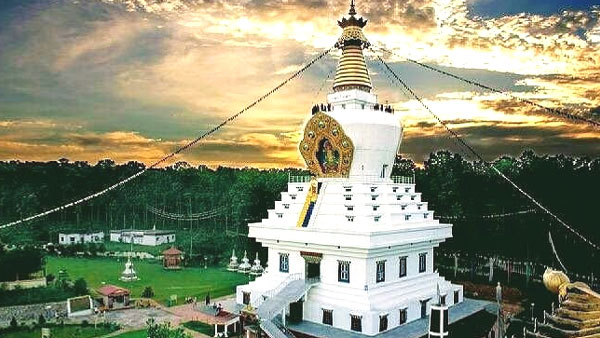
The Buddha Temple, popularly known as the Mindrolling Monastery, is one of the most iconic landmarks in Dehradun, Uttarakhand. Established in 1965 by His Eminence Kochen Rinpoche and other Buddhist monks, the temple is a center of spiritual learning, peace, and Tibetan culture. The monastery’s majestic 220-foot-high stupa — among the tallest in Asia — houses golden statues of Lord Buddha and Guru Padmasambhava, along with intricate murals depicting Buddhist teachings and stories. The complex features beautifully landscaped gardens, prayer wheels, and a serene environment that attracts visitors from around the world seeking calmness and spiritual connection. From the top of the temple, one can enjoy breathtaking panoramic views of Dehradun city.
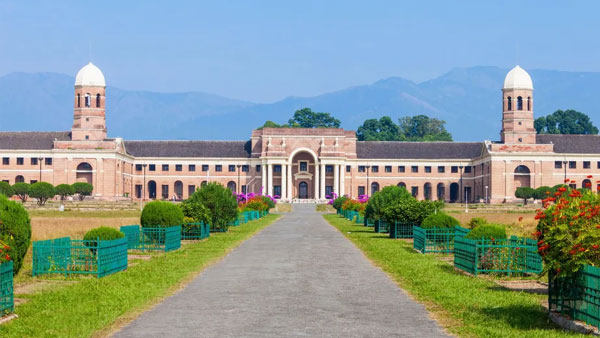
Forest Research Institute (FRI)
The Forest Research Institute (FRI), located in Dehradun, Uttarakhand, is one of India’s premier institutions dedicated to forestry research, education, and conservation. Established in 1906 during the British era, FRI is renowned for its grand colonial and Greco-Roman architectural style, spread across a sprawling 450-hectare campus surrounded by lush greenery and the scenic Himalayas.The magnificent main building, made of red bricks and featuring large columns and domes, is among the largest purely brick structures in the world.
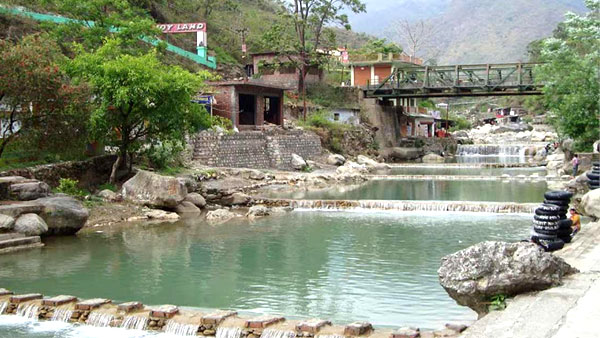
Sahastradhara
Sahastradhara, meaning “Thousand Fold Spring”, is one of the most beautiful and popular natural attractions in Dehradun, Uttarakhand. Famous for its mesmerizing waterfalls, limestone caves, and therapeutic sulphur springs, Sahastradhara is a perfect blend of natural beauty and serenity. The water here is rich in sulphur, which is believed to have medicinal properties beneficial for the skin and overall health. Surrounded by lush green hills and terraced landscapes, the place offers a refreshing escape from city life. During the monsoon season, the waterfalls come alive, creating a breathtaking view as streams cascade down the rocks.
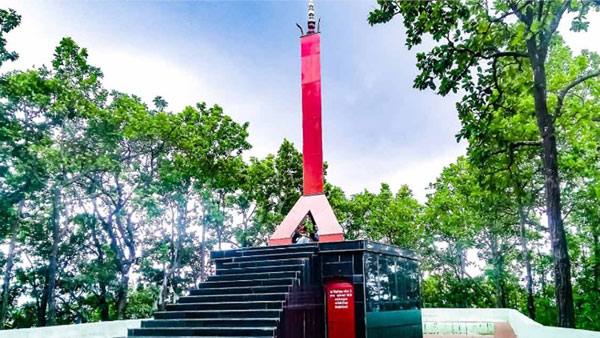
Kalanga War Memorial
The Kalanga War Memorial, also known as the Khalanga War Memorial, is a historic monument located near Dehradun, Uttarakhand. It was built by the British in honor of the Gorkha soldiers who bravely fought against the British Army during the Battle of Nalapani in 1814, a significant event in the Anglo-Gorkha War. What makes this memorial unique is that it was erected by the British themselves — not for their own troops, but to pay tribute to the extraordinary courage and valor of their opponents, the Gorkhas. The memorial stands at the site of the Nalapani Fort, where a small Gorkha army, led by Balbhadra Singh Thapa, fiercely defended their position against a much larger British force.
Dehradun Zoo
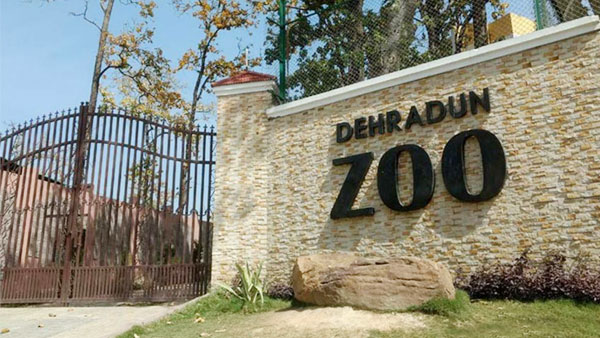
The Dehradun Zoo, officially known as the Malsi Deer Park, is one of the most popular tourist attractions in Dehradun, Uttarakhand. Nestled at the foothills of the Shivalik range, about 10 km from the city center on the Dehradun–Mussoorie Road, the zoo offers a refreshing escape into nature and wildlife. Spread across lush green surroundings, the Dehradun Zoo is home to a variety of animals, birds, and reptiles, including deer, leopards, Himalayan black bears, peacocks, and parrots. The park’s natural setting provides a safe and open environment for the animals, making it an educational and enjoyable experience for both children and adults.
Lachhiwala Nature Park
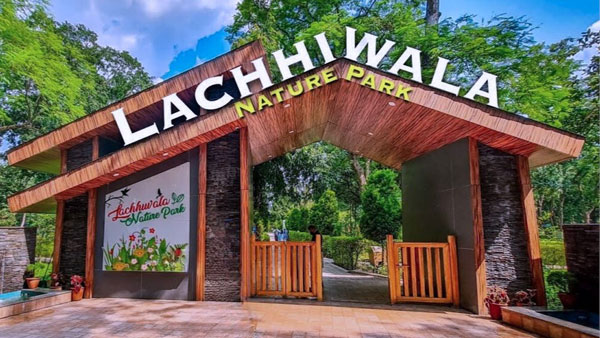
The Lachhiwala Nature Park, also known as Lachhiwala Range, is a beautiful and serene picnic spot located on the Dehradun–Haridwar Road, about 20 km from Dehradun city. Surrounded by lush Sal forests, this picturesque park is maintained by the Forest Department of Uttarakhand and is one of the region’s most popular destinations for nature lovers and families. The park is famous for its natural water pools, fed by the Suswa River, where visitors can enjoy refreshing dips, boating, and scenic walks. The calm atmosphere, chirping of birds, and dense greenery make it an ideal place for relaxation, photography, and picnics.
Robber’s Cave
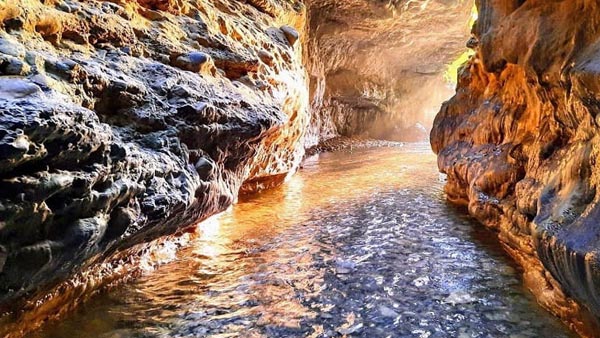
Robber’s Cave, locally known as Gucchupani, is one of the most fascinating natural attractions in Dehradun, Uttarakhand. This unique cave formation, surrounded by scenic hills, features a narrow gorge where a cool stream of water flows through, eventually disappearing underground and reappearing a few meters away — a natural phenomenon that amazes visitors. It’s a popular spot for picnics, photography, and short treks, offering a refreshing retreat especially during the summer months. The tranquil atmosphere, echoing water sounds, and cool breeze inside the cave make it a favorite among nature lovers and adventure seekers alike. A visit to Robber’s Cave promises a perfect mix of thrill, natural beauty, and a glimpse into Dehradun’s geological wonders.
Tapkeshwar Mahadev Temple
The Tapkeshwar Mahadev Temple is one of the oldest and most revered shrines dedicated to Lord Shiva in Dehradun, Uttarakhand. Located on the banks of the Tons River, about 6 km from the city center, the temple is set amidst a natural cave surrounded by lush greenery and hills, offering a serene and spiritual atmosphere. The main Shivling is housed inside a natural cave, where water continuously drips from the ceiling onto the Shivling, giving the temple its name — “Tapkeshwar”, meaning “the dripping Lord”. This unique phenomenon and the cave’s tranquil setting make it a powerful place of worship and meditation.
